The Beginning of Handbags

Char portrait 2009smerWe have a guest post by Charlene Raddon, author of Taming Jenna, Tender Touch, Forever Mine, To Have and to Hold, and writing as Rachel Summers, Scent of Roses. Charlene normally blogs at  http://www.charleneraddon.blogspot.com, however she’s here now with great info on the history of handbags.

NOTE: Charlene is giving away a free book and $5 Amazon gift card to a random commenter. You must comment by March 1, and leave an email address so you can be contacted.

———————————————————————-

Purses, pouches, or bags have been used since humans first found a need to carry precious items with them. Egyptian hieroglyphs show men wearing purses around the waist, and the Bible specifically identifies Judas Iscariot as a purse carrier.

During the 14th and 15th centuries, bags were attached to the most vital feature of medieval garb: the girdle, along with rosaries, Book of Hours, pomanders (scented oranges), chatelaines (a clasp or chain to suspend keys, etc.), even daggers. Women favored ornate drawstring purses known as “hamondeys” or “tasques”. Men used purses known as “chaneries” for gaming or for holding food for falcons.

no3pic2During the Elizabethan era, women’s skirts expanded to enormous proportions and small medieval girdle purses became lost among huge amounts of fabric. Rather than wear girdle pouches outside on a belt, women chose to wear them under their skirts. Men wore leather pockets (called “bagges”) inside their breeches. Large satchel-like leather or cloth bags were sometimes worn by peasants or travelers, diagonally across the body.

In the 16th and 17th centuries the more visible bags were rejected and long embroidered drawstring purses were hidden under skirts and breeches instead, while some people wanted them to be conspicuous, for use as decorative containers for gifts, money, perfume, or jewels. Toward the end of the 17th century, purses became increasingly sophisticated, changing from simple drawstring designs to more complex shapes and materials.

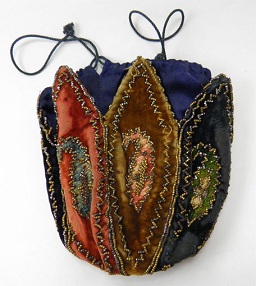
Following the French Revolution, narrow, high-waisted dresses became popular, leaving no room beneath for pockets. Consequently, purses, in the form of “reticules” or “indispensables” as the English called them, came into use, showing that women had become dependent upon handbags. The French parodied the women who carried the delicate bags that resembled previously hidden pockets as “ridicules”.beaded reticule

Victorian era developments in science and industry provided a vast array of styles and fabrics women could coordinate with their outfits. Though pockets returned in the 1840s, women continued to carry purses and spend an enormous amount of time embroidering them to show off for potential husbands, often including the date and their own initials in the designs. Chatelaines attached to the waist belt with a decorated clasp remained popular.

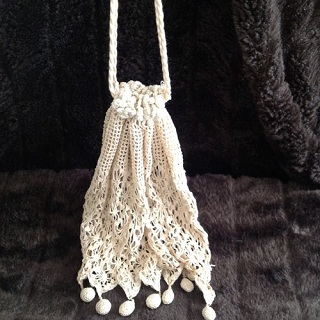
The railroad brought about a revolution in the use of bags. As more people traveled by train professional luggage makers turned the skills of horse travel into those for train travel, and soon the term “handbag” emerged to describe these new hand-held luggage bags. Many of the top names of today’s handbags started as luggage makers (whereas, previously made purses and pouches were made by dressmakers). Hermes bags were founded in 1837, a harness and saddle maker. Loius Vuitton was a luggage packer for the Parisian rich. Modern handbag designs still Crocheted reticuleallude to luggage with pockets, fastenings, frames, locks, and keys.

Early in the 20th century handbags became much more than just hand-held luggage. Women could choose from small reticules, Dorothy bags (now called dotty or marriage bags) with matching robes, muffs, and fitted leather bags with attached telescopic opera glasses and folding fans. Working women used larger handbags, such as the Boulevard bag, leather shopping bags, and even briefcases worn around the shoulder.

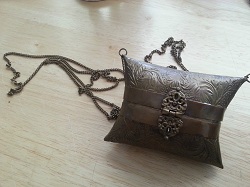
After WWI, the long constricting layers and rigid corseting women wore disappeared. Perhaps the most important development during this period was the “pochette,” a type of handle-less clutch, often decorated with dazzling Tiny metal pursegeometric and jazz motifs, worn tucked under arms to give an air of nonchalant youth. Rules for color coordination grew lax and novelty bags, such as doll bags (dressed exactly like the wearer), became popular. The discovery of King Tutankhamun’s tomb in 1923 inspired purses reflecting exotic motifs.

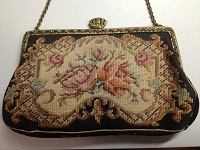
image

Today, purse designs continue to fluctuate, and always will. What sort of purses do you remember using when you were young? In the 1950s I had a pink and white, square plastic purse I loved. I wonder whatever became of it. If I owned that purse now, it would probably be worth a pretty penny.

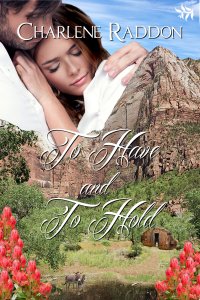
To Have and To Hold by Charlene Raddon - 200Charlene Raddon’s Latest book is To Have and To Hold…

A woman without a prayer…

 A widow with two children, Tempest Whitney had to mortgage everything to repay the money her husband had stolen. But even as she struggles to hold onto her Utah homestead, a scheming rancher buys up her debts, demanding she either get off his land or marry him. Then a dark-haired stranger shows up, claiming to be her dead husband…

A man without a past….

Buck Maddux spent two years in jail for a crime he didn’t commit. Now a death bed promise has brought him to Tempest’s dugout. A man without roots, he doesn’t plan to stay—or to feel so fiercely protective of this feisty beauty he saves from a forced marriage. Suddenly, Buck yearns for a home, a family, a lasting love. But what can he offer Tempest? The surprising answer lies in the forbidden canyons of an ancient Anasazi tribe, where fortune and danger await—along with a passion more precious than gold…

EXCERPT

Riding up to the house, he called out a hello and dismounted. Surrounded by barking dogs he proceeded to water his horse at a well built over a natural spring. From beneath the wide brim of his Stetson he searched for some sign of life. Finally he headed to the house, spurs jangling in his wake. His fist was raised, ready to knock, when the rough plank door swung inward and the business end of a Henry repeating rifle met with his nose.

“Judas!”  He jerked back and stumbled over his own big feet. A cat screeched, letting him know he had mangled its tail. The critter got even by climbing Buck’s leg. Yelping and dancing while he tried to extract the cat, he trampled two or three more felines. Easy to do; half a dozen littered the yard, along with pigs and a flutter of chickens.

“Whoa there, ma’am.”  He held up a hand. “Don’t mean you any harm.”

“What do you mean?” she asked.

The cat took off, kinked tail in the air. Buck checked for damage and decided he’d live. “That’s a mite awkward to explain.”  He took off his hat, wiped his brow on his sleeve and replaced the hat back, buying time while he studied her.

She wasn’t much to look at. The braid hanging to her waist appeared as though crows had been pecking at it. Dun-colored strands fluttering about her head gave her a wild look that belied the delicacy of her face. A strong chin balanced her large eyes and a mouth as stubborn as the mules in the pole corral. A patched apron hung to her scuffed boots and hugged her legs snugly enough hint she wasn’t wearing skirts. He was wondering what might be under the apron when she spat, “Spill it, mister. I haven’t got all day.”

“Think you could put down the gun?” He eyed the rifle with amusement and chagrin. “This might take a while and your arms are like to get tired.”

“Don’t think for a second, just because I’m a woman, that I can’t shoot this rifle,” she drawled. “I hate when men jump to such conclusions. Makes me so angry I start shaking and that makes my trigger finger jittery, if you know what I mean.”

Buck knew. A jittery trigger finger meant he might get shot for no reason. He eyed her speculatively. She wasn’t much bigger than a colt; no problem for a man his size to handle. “I doubt you’d enjoy where they’d put you for shooting a man,” he said, smiling to hide his growing irritation.

“Nobody goes to jail for self-defense. Especially a woman. You going to state your business or not?”

“Are you Tempest Whitney?”

“What’s it to you?”

He sighed. “Name’s Buck Maddux. I ran onto your husband two years ago. He was gut shot and bleeding bad —”

“Maddux!” Her head snapped up and her finger tightened on the trigger. “You yellow-bellied son of a coyote. How dare you come here? Didn’t you cause enough grief robbing that stage and getting my husband killed? Get off my property before I fill you with lead the way the posse did Skeet.”

He threw up his hands as she stepped closer. “Easy, ma’am, I didn’t come here to get you all upset.”

“What did you expect? That I’d welcome you with open arms and invite you in for supper? Just because my husband let you rope him into a stupid robbery doesn’t mean I have to put up with you.”

That did it. Now he was angry. “Hold on a minute here.” His mouth was tight, his voice hard. “I had nothing to do with that robbery, or the Army patrol who shot your husband.”

“Sure. You were just an innocent bystander who happened to be with Skeet when he was caught.”

“As a matter of fact—”

“Raspberry stickers!” she spat. “You plotted that hold-up. You killed my husband as surely as if you’d pulled the trigger yourself.”

Buck’s blood boiled. He told himself it was because she’d accused him of lying, not because she’d come too close to the truth, but the excuse didn’t wash, adding to his fury. In one swift movement, he away snatched her rifle, threw it to the ground, and shoved her against the door jamb. He held her there with his body, her hands pinned above her head, while he stared into amber-sparked brown eyes.

The dogs took up barking again.
————————————————————————-
Click on the links below to buy one of Charlene’s books:

To Have and to Hold

Tender Touch

Forever Mine

Guest Post “One for Kami”

Today we have Charlene Wilson, an author of paranormal tales that take you away to other dimensions.  She weaves magic, lasting love, and intrigue to immerse you into the lives of her characters. And she brings you her latest heroine, Kami…

Kami fumbled with the note in her hands and gazed around Shannon Donnelly’s Blog. The beautiful flowers nodded their bulbous blossoms as a soft breeze blew. Memories of long strolls on the floral-bordered river trail at home filled her with thoughts of Ian’s warmed smile, kind hazel gaze, and his head of black wavy hair that couldn’t seem to resist the wind. Her heart ached, as she knew she might never have those moments with him again.

Dropping her gaze to the folded message, she gnawed on her lower lip. Should she go through with her plan? He didn’t know of the sweetness of Valentine’s Day, how this dimension celebrated love. She could just stuff it the pocket of her cape and forget the whole thing.

Kami traced the red heart she had drawn on the upper left corner. No, I need to do this. He has to know.

Releasing an anxious breath, she looked over her shoulder to the garden gate. Where is Charlene? She’s late.

“I heard that thought, and I’m not late. You’re early.”

The gate swung open and Charlene winked at Kami as she entered. “I kind of thought you’d take to our holiday, Kami, you being the romantic that you are.”

“Ian would love it, too.” A weak grin tugged the edges of her lips upward, but her conviction burned strong with her decision. She held out the hand-written valentine. “You will give it to him won’t you?”

Taking it from her, Charlene smiled and her head leaned to the side. “Of course I will.”

“And tell him…” she wrung her fingers and her red gloves twisted, distorting the intricate knit patterns. “Please tell him how much I love him. Charlene, tell him I was an idiot.”

“Oh, I’m not going to say that.” Charlene tucked the valentine into her sweater pocket. “If you feel that strongly about this, why not have it displayed at Ravencraft Romance Realm’s Love Letters ‘n’ Lattes? You can proclaim your love for him on February 14th  for the whole World Wide Web to see.”

A spark of thrill flashed through Kami’s chest and jetted to her toes. “That would be perfect! Do you think they’d let me do that?”

“I’m certain of it. I happen to be one of the contributing romance authors there.”

Kami couldn’t hold back a wide smile. She spread her arms wide and inhaled the sweet aroma of the beautiful red flora around them. “He’s sure to know I mean it, then, if I proclaim it to the entire dimension.”

She grasped Charlene’s elbows and looked into her blue eyes. “You will show him won’t you. I know you can one way or another, being our author.”

“Oh, Kami. You bet I will.” Charlene patted her cheek and nodded toward the blog readers. “Now, let’s get this introduce of One for Kami going and invite everyone to join in the tour-wide giveaway. We have some great prizes and they need to know they can get all the details at Charlene Blogs.

Excitement bubbled in Kami’s heart and her brows rose with her exclamation. “That’s right! So many prizes to giveaway, all because my story was just released.”

She turned to the readers and she knew her countenance had to be glowing. “There will be four prize packages! A One for Kami SWAG package, a Juicy Fruit prize package…” she glance at Charlene, “honestly, there’s got to be a way for me to nab that one,” she snickered, then back to the crowd, “A $10 Amazon gift card…”

Charlene grabbed her hand and held it up for all to see. “And your red gloves! We can’t forget the best part. KnitWit’s Knits & Crochet is making a special pair for this tour and offering One for Kami fans a 20% discount if they order something from their Etsy Shop by using the coupon code One4Kami! How great is that?”

“I can’t wait to see my gloves with the Hearts on Her Sleeve pattern on them.”

“I ordered a pair for myself. That prize alone is a $20 value!”

Sighing, Kami relaxed and allowed her breath to speak her thoughts. “I love my story.”

Charlene leaned her head, pride shining in her eyes. “And so will everybody else, sweetie.”  She squeezed Kami’s hand. “I know they will.”

Thank you for having us here today, Shannon. It’s a real treat! Have your readers get those Kindles ready, because One for Kami is FREE to download at Amazon right now! (Feb 14th)! It’s a Sweet Sci-Fi Romance, the perfect “lunch-time” read.

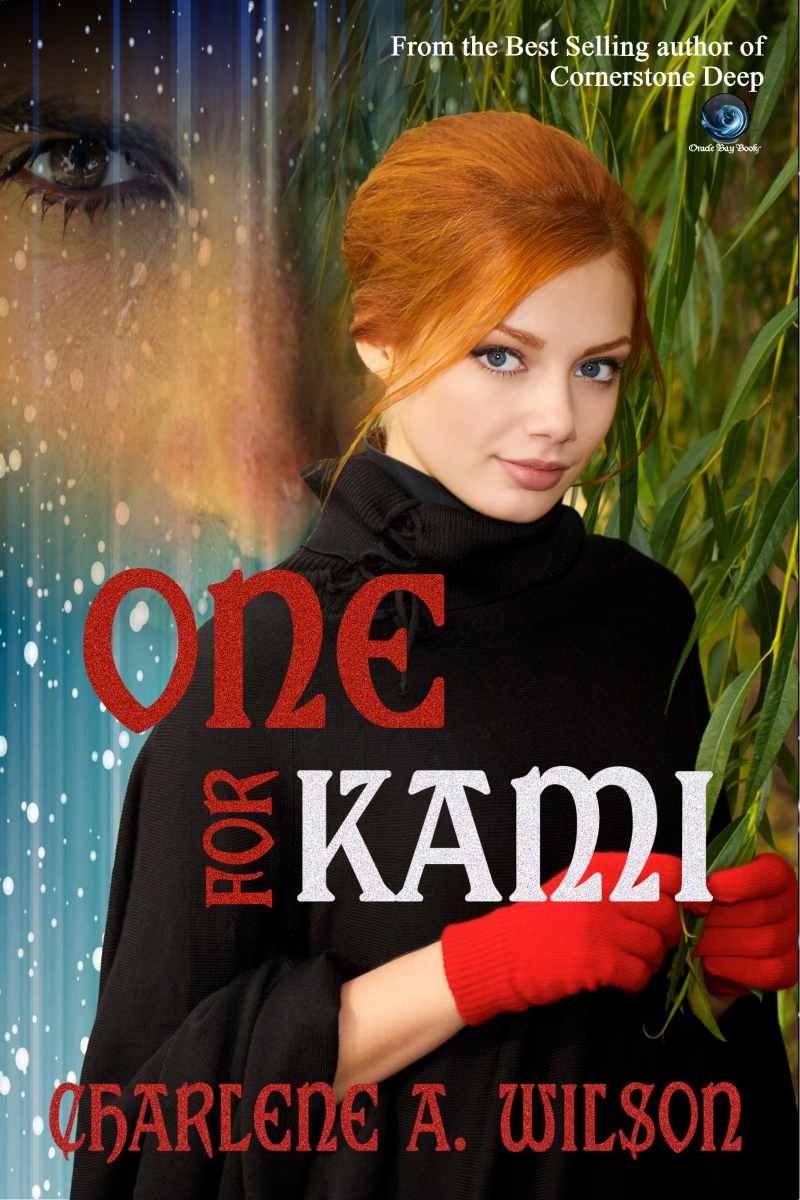
One for Kami cover 5 1200x800 One for Kami

Can love be true if shared with more than one?  Kami doesn’t think so when she finds Ian is an elite and required to take three wives to eliminate the poverty-stricken population.  Why can’t he be poor the way she thought he was when she fell in love with him?

Determined to find a realm that doesn’t have such dictates, she travels to dimension Three-Two-Three to begin her search.  But is love truer in a place that only allows one spouse than it is in Ian’s heart?

What they’re saying

“Sweet, romantic, and heartfelt.  A great introduction to the author’s world.”—J.D. Brown Book Club

“One for Kami is a story that will have you willing to give up everything for your one true love.”—Annette, Gothic Mom’s Book Reviews

“[Wilson] spins a tale of true love spanning time and dimensions that will inspire the reader to sacrifice everything to find their soul mate.”—Debbie, Read2Review

Excerpt

Voices surged and Kami clung to the illegible sounds.  A low groan rode alongside them.  The vocals ebbed from her mind.  Mute gray light drifted before her eyes, a flash of white, and then a haze.  Darkness covered her vision.  A sour pang caused her to lurch and she heaved, the voices clambering from a distance.  The back of her skull thudded against a hard surface.  Words broke between melodic and static riffs.

“Kami, breathe.”

Another groan punctuated the din, so close she opened her eyes to find the source.  A woman’s profile came to view, a bright silver aura hazing the edges.  Her long arched nose and narrow chin set a shocking presentation to add to her crinkled eyes and white hair.  Her thin lips moved with a soft sound.  “Get that cleaned up before she sees it.”

The senior turned to her, and Kami’s focus zeroed in on her pale blue eyes.  Eerie yet kind, they held her attention.  Folds on the woman’s face deepened with her smile.  “Well, you made it.  You had us worried there.”

Kami blinked hard and swallowed, acid burning the back of her throat.  “What happened?”

“You were a little nervous during the transport, that’s all.”  The woman nodded to someone off to the side and Kami rolled her head to the side to see who it was.  The silver-blue aura stretched to the edge of a circular platform and she realized she lay on Ober’s transport base.

“Let’s get you sitting up.  It’ll clear your mind and help you focus.”  The escort slid her hand behind Kami’s neck.

As she pushed herself up, heat pulsed in her lower abs, spasms rushing through her core.  Her breath hitched and she leaned forward, pressing her arm along her hips until the sensations dulled.  A heavy sigh rushed from her lungs, causing the ache in her breasts to intensify.  She brushed her palm along her chest to relieve the sensitivity, but it sent chills down her spine.  A shutter clenched her stomach and the process started all over again.

God, this is awkward.  I need privacy here.

A chuckle rumbled to her left and she glanced at the man beyond the hazy stage.  His blond hair curled around his forehead and tapered to a band of shaved hair along the back of his head.  His white lab coat hung loose around his lanky shoulders.  A wide smile bloomed on his lips as he knelt beside her and held out a bottle of water.

His brown eyes sparkled with humor.  “You’ll be mighty sensitive in those regions for a while with the level of panic you emitted.  But that side effect will let up.”

She accepted the drink, a question on the tip of her tongue she didn’t want to voice.

“All of this affected your nerves,” he motioned to her private parts as if he had every right, “and those there are the most sensitive parts of a body.  I’d take you as my third right now just to enjoy the fallout.  Yes, sir, close the quota with a redheaded elite.”

Kami leaned away from him and his offensive comment.  That is wrong on so many levels.  How rude could one person get?

The woman pursed her lips into a little grin.  “This is Conrad.  I’m Coral.  We’ll show you around the city and get you acquainted with things before we let you roam on your own.  We can show you key areas to envision so you can sync and not have to deal with the vehicles they use here.  Horrid contraptions if you ask me.  Just remember to be hidden when you do so nobody sees you disappear.  Of course, we’ll be around should you need us during your stay.”  She motioned with her nod.  “Now, let’s get you off this Ober base and steady on your feet.”

Kami glanced at the platform.  “Sure glad this fog isn’t a lingering effect.”

Conrad’s cheery chuckle burst into laughter and he held out his hand to help her up.  She grumbled under her breath and with a glower accepted the offer.  His fingers slowly wrapped around hers and his thumb brushed along the top of her palm with light caresses.  The sensual touch sent a charge to her nipples and spasms to her core.  Her breath hitched, fire burning her cheeks and ears as she flush.

Her gaze snapped to the glint in his eye.  The idiot did that on purpose!  She snatched her hand from his grasp.  “I think I’ll let Coral help me up.”

Another burst of mirth spit from Conrad and his hand flew to his mouth, stifling it into a sloppy snort.  He peeked at her through gleeful lids and turned his palm to her in an apologetic gesture.

Kami looked at Coral to find the woman’s lips pinched between her teeth, the corners fighting to keep a serious regard.

I have to deal with these people for a week?  She swore under her breath and slid from the platform, abandoning the bottled water.  Pushing herself to a stand, she steadied her feet and tugged at her blouse to regain any dignity she had left.

Coral’s head tilted to the side and her white waves brushed her cheek.  “Oh, Kami, I’m sorry, dear.”  She pulled her into a hug.  “Things will settle down.”

Conrad sniffled and folded his arms across his chest, nodding with agreement as he calmed.

Her pale blue gaze sought Kami’s as she held her at arm’s length.  Brows pulling together, she whispered.  “You are still a Vella, correct?”

Kami hesitated, studying the lady’s demeanor.  What does being a maiden have to do with anything?  “Yes.”

“Then I suggest you keep a little distance between you and fellows while you’re here.  They’ll flock to you with that beautiful hair and those sweet blue eyes.  And you’ll find them hard to resist in your current state.”  She winked.  “Gotta save yourself for marriage, you know.”

Riotous cackles exploded and Conrad doubled over, staggering to catch his balance.

Kami’s mouth dropped open.  “God, give me a break!”  Shrugging out of Coral’s touch, she marched along the cobbled path toward the exit.  “I’ll find my own way around.”

As she gripped the doorknob, realization caused her to pause.  She glanced at her snickering guides.  “Um…  Is my new boss a man or a woman?”

Conrad’s mirth rose to a new level and filled the arboretum.  She huffed and marched out the door, his snorts and cries following her until he choked on his own breath.

Get your copy of One for Kami at Amazon: http://bit.ly/OneforKami FREE February 14th! If you miss that, leave a comment for a free book given away on March 1.

One for Kami book tour banner 3

Charlene Wilson Author Links

Creating worlds where dreams become reality.

char mtn 2Author site:  http://CharleneAWilson.com
Blog:  http://bit.ly/CharBlogs
Facebook:  http://bit.ly/CharleneAWilsonFan
Twitter:  http://twitter.com/AuthorCAWilson
Goodreads:  http://bit.ly/CharleneAWilsonGR
Pinterest:  http://pinterest.com/charleneawilson/
Guest Author Tessa Stockton

IMG_4638_CROP_LOW RESOLUTIONToday we have Tessa Stockton, and information on her new novella, Wind’s Aria, the first in her fantasy romance eNovella series, The Brother’s Keep. On Feb 1, we’ll randomly draw a winner from everyone who comments, and that person will get a free copy of Wind’s Aria!

Elected as the Songstress, Aria takes her place on the sacred platform to sing before every dawn. As long as she does so, peace and abundant life belong to her people. One morning, amidst a strange wind that brings with it a curse in its eerie howl, Aria loses her ability to make music. But the encroaching death that transpires isn’t her biggest tragedy. It’s that she adores the cause of her blunder, for he’s a magnificent winged creature who’s stolen more than her voice.

Excerpt From Wind’s Aria:

“Who are you?”

He pushed further back into the shadows as she strode closer. “Someone you need not know.”

“What’s that supposed to mean?”

When he didn’t answer, she sighed.

“What a strange, terrible day,” she mumbled. “Well, at least tell me your name . . .”

He stood, speechless, knowing he shouldn’t be there at all—conversing with a Meleyan—especially not their musical deliverer that he was set to doom the day after tomorrow.

A peculiar grumbling interrupted her insistence, to his relief.

“Sorry.” She patted her stomach. He could see, even in the blackened night, how her face turned a deeper shade of red than her hair. “I’ve forgotten to eat. I guess I’m hungrier than I realized.”

He plucked an apple from the tree he’d nearly become a part of and held it out to her. The girl approached tentatively. She reached for the fruit but recoiled when her fingers brushed his.

“Is touching me so horrible?” he asked.

Her jaw dropped open and her delicate brow furrowed. She inclined her head. “It . . . hurt.”

“How?” he asked, for her fingers felt good to him, soothing. Warm. He wanted to try again.

Coming soon! eNovella #2, Sea God’s Siren.

A former choreographer, dancer, and musician, Tessa Stockton now writes romance and intrigue novels in a variety of genres. Wind’s Aria is the first in her fantasy romance eNovella series, The Brother’s Keep. For more information visit  www.TessaStockton.com

HPIM1104Links for Wind’s Aria:

Amazon: http://www.amazon.com/Winds-Aria-ebook/dp/B00B1FEC2A/ref=sr_1_1?ie=UTF8&qid=1358964244&sr=8-1&keywords=wind%27s+Aria

B&N: http://www.barnesandnoble.com/w/winds-aria-tessa-stockton/1114146612?ean=2940016000206

Things That Go Bump

When I first started writing, I started off writing SF and Fantasy. This was partly due to being in my teens–I was on a total SF/Fantasy kick for reading. And it was what I was drawn to. Years later, I switched over to Regency romance–quite a jump most folks think, but not really. You see–it’s all about the world building. And the emotions.

In between the SF/Fantasy and Regency (and there’s a bigger cross-over in that audience than you’d ever know, given the Regency dancing that’s shown up at most SF conventions), I did some YA Horror stories–stuff that goes bump in the dark. Again, it’s all about the world building–and the emotions.

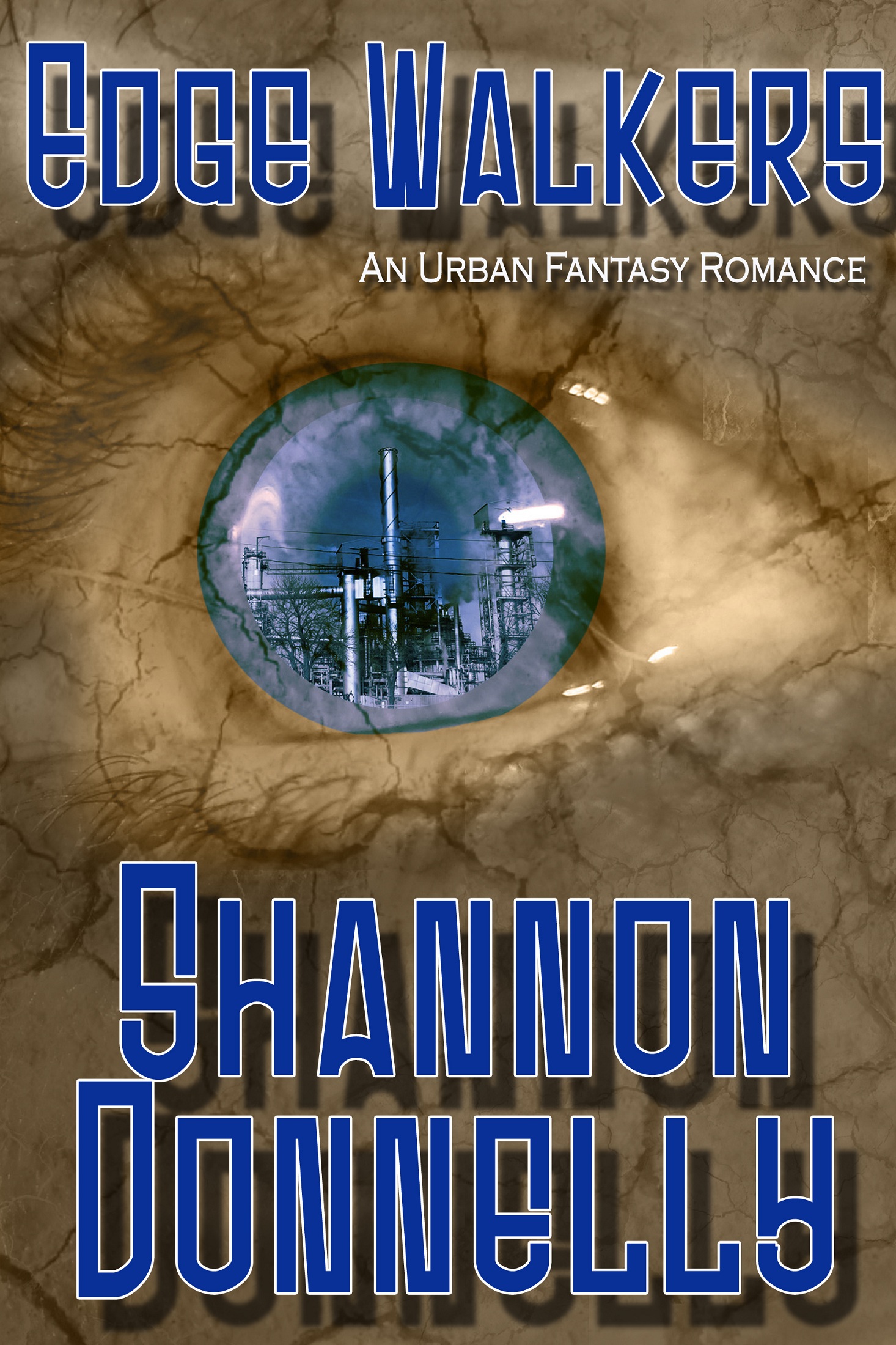
EdgeWalkersNow I’m back to SF/Fantasy for an edgy Urban Fantasy–Edge Walkers. This is one of those things where you shake your head as a writer and wonder what are you doing…but then you write the story anyway. When I wrote the story, I needed a change up from the Regency writing. I also wanted to get back to my roots with SF/Fantasy, and wanted to do a zombie book that worked for me (most of them don’t, however, I adore the movie, Zombieland–but Edge Walkers is nothing like that). I also wanted to do a book where the sex needed to be in the story–I was at a phase where I’d been reading too man books with sexy scenes that just seemed to have the scenes stuffed in there to add the sex. That didn’t work for me.

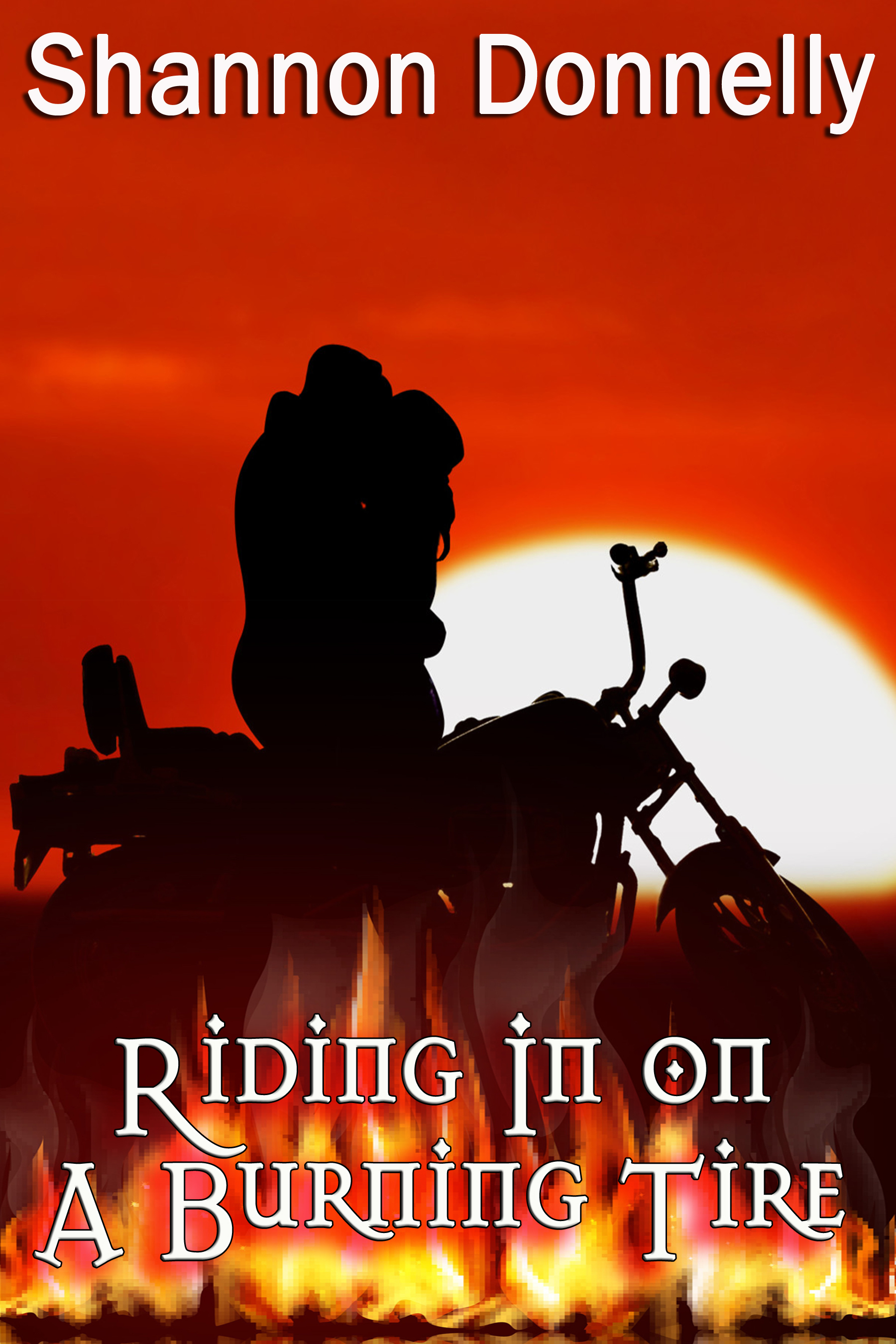
The trouble with all of this is that Edge Walkers isn’t part of the Urban Fantasy series I’m doing–the Demons & Warders series with Burn Baby Burn and Riding in on a Burning Tire, which is due out soon (and the third book is going to be Angels Don’t Burn). It’s not a Regency, and is nothing like those books in tone, so it’s going to have to find it’s own readership. I love the book, but then you always love your babies–even the challenged ones.

But now it’s out I do plan to get back to the Regencies–I have plans there. And I’m more than ready to step back into that other, lighter world.

That’s the best part of taking a diversion with the writing–it leaves you eager to go back to the other stuff.

Will Edge Walkers do well on it’s own? Maybe–or maybe it’ll be a grand experiment that leaves everyone (even me) shaking their heads. But a writer’s got to go what a writer’s got to do. It would just be nice, from the marketing side of things, if all my ideas fit better into a single box.


Details, Details, Details

One of the biggest challenges with any historical novel is getting the details right. In the modern world, you can often go experience something instead of pulling the research out of the book. You can talk to a doctor, or a cop, or an EMT and get a lot of great details that you need. With any historical, the details often have to come second-hand from someone’s research.  The biggest trick in all of this is what’s enough?

The first thing you will always want to do with a cool fact is to share this–too many cool facts dug up in research and you can end up with a travel guide, not a story. This is where a reader can help a lot.

Border BrideWith my Regency novella, Border Bride, I wanted the details for the elopement to Gretna Green to be as accurate as possible–and I had dug up a lot of great details from Cary’s Itinerary (a terrific travel guide of the era). Handing the story to a reader, however, turned up the issue that the story was now reading like a travel guide, too. Too many details got in the way of the story. A little editing and the story was back up front where it needed to be.

Stolen AwayFor Stolen Away, another Regency novella, again a carriage ride featured in the story–more elopements, but this one not voluntary on the bride’s part. This was where my experiences with horses helped a lot–I know what it’s like to ride in a carriage and a cart, so those details came easily. But, again, the details had to be there to support the story.

But what do details give you?

Details are what make the world come alive for a reader. And the right details make the difference between a flat one-dimensional character and a fully alive character. This is where you have to know your world and your people. It’s more than just the color of someone’s eyes–it’s about how does that person express emotion (what details give away the emotion to the reader). It’s about the tastes, smells, sounds, and other senses that bring the world alive–what’s the weather like (and does the character like cold weather or hot?)? Sounds and smells are often overlooked details, and are some of the most evocative in terms of putting the reader into a place and time.

Silver LinksIn Silver Links, another Regency novella, the coastline became an important setting–the couple in the book met in Devon, near the coast. The smells of the sea became a part of the book–the sounds, too. And the heroine’s retreat from London to Devon was a vital part of the story. It both gave the heroine time to think about her problems, but it also became a symbol of renewal in the story.

And that’s something else that details provide–they become part of the story’s theme (which is why Silver Links is named that–it’s named that for the links of necklace that is broken, and it’s symbolic of the links of trust broken in the story as well).

So next time you’re reading–or writing–think about what are the right details for the scene? What do you need to put the reader in the room with the characters? What details will work with your theme?

Look for details that are not cliche–these will tend to leap to mind, so dig past them. Go for the detail that comes to mind after you’ve discarded four or five other ideas. Maybe the first idea that comes to mind are flowers and the scent of them–but that’s been used so often (flowers for love, flowers for death). That’s a good time to think deeper–to look at your characters and what would be meaningful to those characters. In a historical novel, those details need context, too. And that’s where you go back to your research to find the right detail you need–but just that one right detail.

Backstory vs. Story

One of the most common bits of advice given to young writers is to cut the first three chapters–this is often good advice. Many a manuscript that I’ve read in contests could have used the first one, two, or even the first fifty pages cut. It’s all backstory, not story. Now, don’t get me wrong–a lot of times the writer needs to have written these pages. Writing helps you get to know the characters, but then you have to ask, “Does the reader really need to know this” and, “Does the reader need to know this in right up front?” Very often, the backstory, but it’s set up stuff. So how do you know what’s backstory.

1-Things that happen before the incident that sets the main story in action all belong to Burn Baby Burnbackstory. In Burn Baby Burn, the main story starts with the heroine finding a half-demon baby on her doorstep. That’s what I want on page one to kick off the story. There are small bits of information that need to be woven in later, but having Zie (our heroine) find trouble on her porch sets the action moving. However, I still needed to know more about Zie and Josh (her partner), so I had backstory to write–but that backstory didn’t belong in the story. (You can read these pages in a free PDF here.)

2-Things that impact the character may be needed in the story–but hold onto them until they are absolutely needed. Again, in Burn Baby Burn, I had information about the characters and how they met, but there were also secrets that each of the characters were keeping. I wanted the characters to hang onto these secrets for as long as possible. Josh, the hero, had to give up his secret earlier than Zie, but Zie’s secret was one she was ready to carry to her grave–it’s a huge moment for her to trust Josh with her past, and so hanging onto this information gave it impact in the story.

3-Weave in what the reader does need to know as if it were a strong spice–meaning keep it to a sentence or three, not a paragraph or three. The key word here is “weave.”  Obviously, some backstory helps the reader into the story. You need setting and some background in order for the reader to settle into a scene. Too little information is like throwing a reader into the deep end of a pool and the reader may leave the story rather than try to muddle through. (Or the reader just may not care because there’s so little to care about.) If you think of your story like a good stew, you want a rich flavor–but you don’t want the first spoonful to overwhelm the reader. Or, if you want to use the metaphor of weaving, think of your backstory as threads. You want threads in the weave, not a big lump.

4-Look for the story to start as close to the start of the main story arc as possible. In a romance, this means you want the main characters on the pages and meeting up and having major conflict issues as soon as possible. In other stories, such as Urban Fantasy, you want to get the reader into the fantasy–and the big issues for the characters–right away. The one way to break this rule is if you can make the writing–and the information–utterly fascinating, go ahead and put in a lot of background. However, this takes a lot of talent and work.

5-When in doubt, start with conflict–start when the main character’s life is pushed out of balance. Any character who is in trouble is pretty much automatically in conflict–that character has to decide what to do next. That’s at least going to give you something interesting for the character to do (and so you have a greater chance of grabbing the reader’s interest). In Burn Baby Burn, Mackenzie Solomon is a demon hunter–so finding a half-demon baby on her doorstep gives this character an immediate problem. She has to make immediate choices–she has a problem in her life (and conflict over what to do next). In the next book in the series, Riding in on a Burning Tire, she wakes to find security from work pointing guns at her–an obvious, immediate problem. Stories that start off with the characters faced with choices and conflict and a lack of balance in their lives will tend to pull the reader in more so than a story that starts with a character getting into a car and going to work and nothing happening.

6-Watch out for using action that is only action at the star of a book. This is one of those double-edged swords–done right, action can give you a great action opening. But there are dangers. If you throw the reader into the middle of bank robbery, the reader has no idea who to root for–the robbers or the cops? If you toss the reader into the middle of action, and the writing is not clear and crisp, you can confuse and lose your readers. Action that is just action might give a movie a big bang opening, but if the writing is not brilliant, this can be boring on the printed page. In general, focus more on the characters who are in trouble–strong characters will better pull the reader into your story.

Where Book Ideas Come From

The question most asked of writers might be: Where do you get your ideas? John Cleese, when asked this, likes to reply that he has a little old lady in Cheltenham who gets hers from another fellow and he gets his from…well, you get the idea. He’s making a point that you can’t really pin down where ideas come from: they come from nowhere and everywhere.

Burn Baby BurnThe idea for Burn Baby Burn came from a reader’s conference (thank you RomCon). A bunch of writers and readers were sitting around talking books and covers and what not, and the penchant for babies on book covers came up…and i said the only way I’d put a baby into a book is if the baby was half-demon and trouble on someone’s doorstep. Well…hun–there’s the idea. Naturally, if you have a half-demon baby, it’s going to arrive on a demon hunter’s doorstep–the job of a writer is to make life worse for the characters. From there the story started its own path.

Now the idea can also be about a character–I once had a dream about a woman watching young girls play on a lawn and wishing they were her girls. That become a story about a governess who keeps ending up with girls who don’t need a governess (A Compromising Situation). But an idea is not enough–and sometimes the idea needs to simmer (not forever, however).

A Compromising Situation

Ideas are launch points which then require a writer to sit and write. Characters and complications need to be worked out. Backstory and motivations need to be developed. If you’re lucky, the characters jump onto the page, ready to play their parts with everything in place. Some characters, however, need to be coaxed–and some need more complications that will twist the story (and the idea) into new directions.

But that idea–like the theme–is a touchstone. It’s the place you go back to when you’re stuck. It’s the phrase that makes you–and the readers–excited about a book (and you need a lot of excitement to finish a book). NY Times Bestselling writer Bob Mayer calls this the Kernel Idea. And, like a kernel of grain, it’s got to be planted, watered, fed, and not overexposed to bad weather–too much exposure will kill anything.

So if you’re looking for ideas–look around you. Look at the people you know, eavesdrop on conversations, get into lively discussions, and pay attention. They’re all there waiting for you.

New Book, New Genre

Burn Baby BurnWriting in a new genre always has its risk–in some ways, you’re starting over. Folks who have read my Regency romances may not like the new book, Burn Baby Burn, which is Urban Fantasy. That may seem a huge jump, but it wasn’t–and was a lot like old home week for me. I started off writing YA Horror stories (which I loved to do). And paranormal/Urban Fantasy has a lot in common with writing Regencies–it’s all about the world building…and the characters. The setting wasn’t hard, either–I grew up in and around LA, and I’m very fond of the place. It’s no longer my stomping grounds, but the City of Angels was a natural backdrop for a series about demons/angels and the folks who are trying to keep them from tearing apart everything in between.

The other fun part of Burn Baby Burn were the characters. Great characters are always fun, and when you have demon hunters, who have to get along with demonic jinn (otherwise known as genies), freelancers in the paranormal gray space, and charming charmers who may just be too powerful for anyone’s good…well it’s all good from a writer’s view. All of this made for a great change of pace for me…which is something writers need at times.

We all need to stretch every now and then and try new things and just do stuff because it’s fun. We all start writing with stories in our heads–it’s just that sometimes you get too caught up in the “what will sell” mode and you forget that you started off this adventure to amuse yourself. If other folks come along with you on the ride, that’s great. But it’s also gravy. It’s the bonus that comes after you’ve written the story and sent it on its way to have its own life.

Cool Gus Publishing has given the book a great cover. So even if folks who love the Regency stories (and there will be more of those) don’t like this book, it should find it’s own audience. There’s also going to be more books in this series–that was something else I’ve been wanting to do.

When you write, you fall in love with your characters. They become (or you hope they become) folks that you just want to hang with. I’m particularly fond of these characters–Zie and Josh, and Marion and Felix. They’re not hard to hang with. So it’s going to be fun to head out with them on their next adventure. I hope others feel that way, too.

And isn’t it great that there’s so many avenues for authors these days to bring books out and try new things, and find just the readers who like those types of books.

Structure is Structure – The Long and Short of Stories

Cat's Cradle

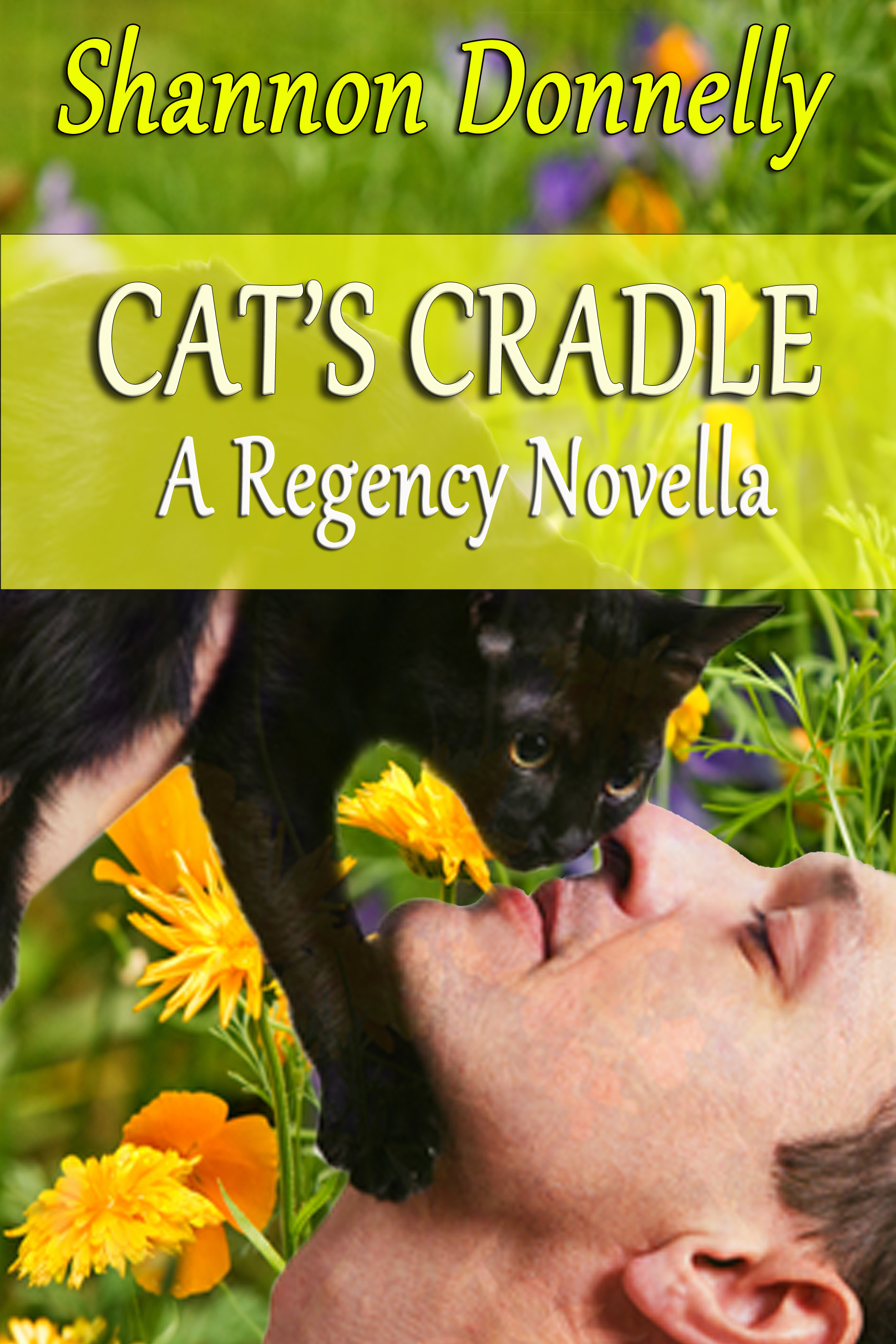
Cool Gus Publishing is bringing out my Regency novellas, starting with Cat’s Cradle and that started me thinking about story structure. I’m a believer that structure is structure–it doesn’t matter if the story is long or short, it still has the same structure. And there is a little more to this than a story having a beginning, middle, and end.

The first thing a story needs is a character (who is the story about)? and a setting. To me, the setting is vital. It influences everything about the story, from the mood to the story arc. And that arc–the main spine of the story–is vital. The story arc is very much like any spine–without it, you have a shapeless mass. The story arc has to address the question–what is the story about?

It’s never enough to just say the story is about a romance, or the glib answer that the story’s about 100 pages. At some point, you have to figure out why are you writing this story? And why should anyone read, or remember, this story?

I’ve read many a manuscript where the story starts off rambling and keeps rambling–this is because the story arc is not yet in place. The story arc gives you an opening (the kick off of that arc), the middle (what needs to happen to make stuff worse), and the end (what’s the resolution that give you the answer to what the story is about).

As an example of this, in Cat’s Cradle, the story is really the hero’s story–it’s about a gambler who has never really staked anything of value. He’s a man in search of something, only he doesn’t know what. It’s a story about assumptions and how sometimes we need to let go of old ideas. It’s a romance, but it’s also a story of finding your place by finding the right person to give you that sense of place. And, of course, it’s about cats and how pets often push us into things that we don’t want to do.

With a spine in place–a story arc–the other bones can fit onto that spine. (A good article on story arc is also posted here.) Then comes the muscle (the meat), and the fun stuff (the fat and the skin and the little things that make the story look good). But it’s the spine that gives the structure, the arc, that carries the story. It’s where theme fits into the story to make sure the story resonates and stand tall.

So next time you’re reading a story–or a book–take it apart and look for the spine and the bones. That will help you learn how to put these elements into your own stories.

TIPS TO GO PRO: SHOW MORE

LiftWriters, if you do not want to look like a newbie who is just starting to learn your craft, there are a few things to avoid. Things that mark you as inexperienced—meaning your story is going to clunk. These things get between the reader and the story. These are things you need to fix, and that means you need to go hunting for these weak points.

1 – Show more by eliminating dialogue tags that tell everything. This means no more tags such as: he taunted, she exclaimed, he smirked, she pouted, he expounded, she tossed back, he leered, she sighed. All of these are telling the reader an emotion. You want to show emotion on the page.

Replace every telling dialogue tag with an action that better shows the character expressing an emotion. To do this, you must know your characters. How does your character pout? Does she stick out her lower lip, or bat her eyelashes? Does she fold her arm, or twirl a curl around her finger? How does your character leer? Does he overdo it, making it into a joke, or does his stare strip a woman bare? Show the emotion with actions.

2 – Show more, also, by eliminating places that simply tell the reader information. This is where you the author slip in to add a note.

For example, maybe you want to say something about a man’s grin, that it’s infectious, so you write: His grin widened and Sally found it infectious, so she smiled back.

This is you, the writer, are telling the reader the exact information instead of showing and letting the reader figure things out. Again, you have to know your characters—and this is where you show the grin being infectious, as in: His grin widened. Sally’s lips twitched, lifted; laughter rose like a bubble in her chest. Now you are showing Sally smiling back instead of telling the reader.

3 – Watch those lovely “writerly” phrases. Maybe you’ve come up with a clever line. The trouble is, if you’re deep into a character’s viewpoint and emotion, that clever line could throw the reader out of the scene. You have to look at the overall effect of the line—and you may need to cut it if you’re jumping out of character just to fit in the clever phrase.

For example, maybe you’ve described a woman as: Her honey-blond hair floated around her, a golden nimbus, a heavenly aura. That’s a fine description. But if you’re in the viewpoint of another woman who actually hates this honey-blond, you’ve gone for the clever phrase instead of showing the enmity between these women. This is where you save this clever phrase for another time and go for information that shows these two women being bitchy with each other.

4 – Do remember to show; get the emotion onto the page. A lot of novice writers forget about this vital part of the story. This is where you’ve got action, but the reader has no idea what the character feels about all that action.

For example, maybe you’ve got an exciting moment where the heroine of the story has jumped out to save a small boy from being hit by a car. She jumps out, grabs the boy. Great stuff. But…what’s she feeling? Is she frightened? Amped up on adrenaline? Is she angry, furious because this is her son and she’s told him five times not to go into the street after his baseball? Is she shaking? Is she covering up her feelings by acting tough because she’s a cop and she thinks cops should show emotion?

Again, you have to know your characters—and you have to give your readers a chance to get to know your characters, too, by putting in those emotions. Once you’ve finished the book (or any scene) go back and look to see if you wove in all those emotional reactions—or did you get just the action?

5 – If you show, don’t tell. Repetition shows insecurity—it means you are the master of your story. Trust the reader to get the information you’ve shown. You don’t have to show a guy slamming out the door and tell the reader in the next sentence: He was so angry he could spit nails. Trust your readers to get what the actions mean.

6 – Cut the clichés. We’re back to needing to know your characters—and needing to know them as unique individuals who do not have cliché actions and reactions. You want to show who your characters are by having them reveal their personalities with their actions and reaction—if you go for cliché actions, the characters become walking clichés, too.

This means no stalking into the room like a panther. No gazing into a mirror and doing an inventory of hair, eyes, and the standard description. No women (or men) who had their hearts broken once and so that person has vowed never to love again.

You want to know exactly why your character reacts or acts—you need to know that character’s motivations, and those motivations need to be based in deep, core personality issues. Your character must react in character.

7 – Show your character in action right away. This is vital. If you want the reader to believe your character is a kick-ass vampire slayer that character has to slay a vampire right off. It’s no good telling the reader this information, you must show the character being what that character is supposed to be. This is why Superman has to be super right off. This is why a crazy cop has to do something crazy right off so that everyone “gets” this is one crazy dude.

Start off by showing your character’s strengths and weaknesses right away—get those onto the page. It’s no good saying your hero is a healer—you have to have the guy heal someone. And it’s no good saying the healing costs him some of his own life each time—you have to show him aging or losing strength each time he heals.

Show more, tell less. Know your characters better than you know yourself and put that into the story. Get out of the way and let the characters carry the story. Everything else an editor can fix.